

The Eerie World of Praya dubia
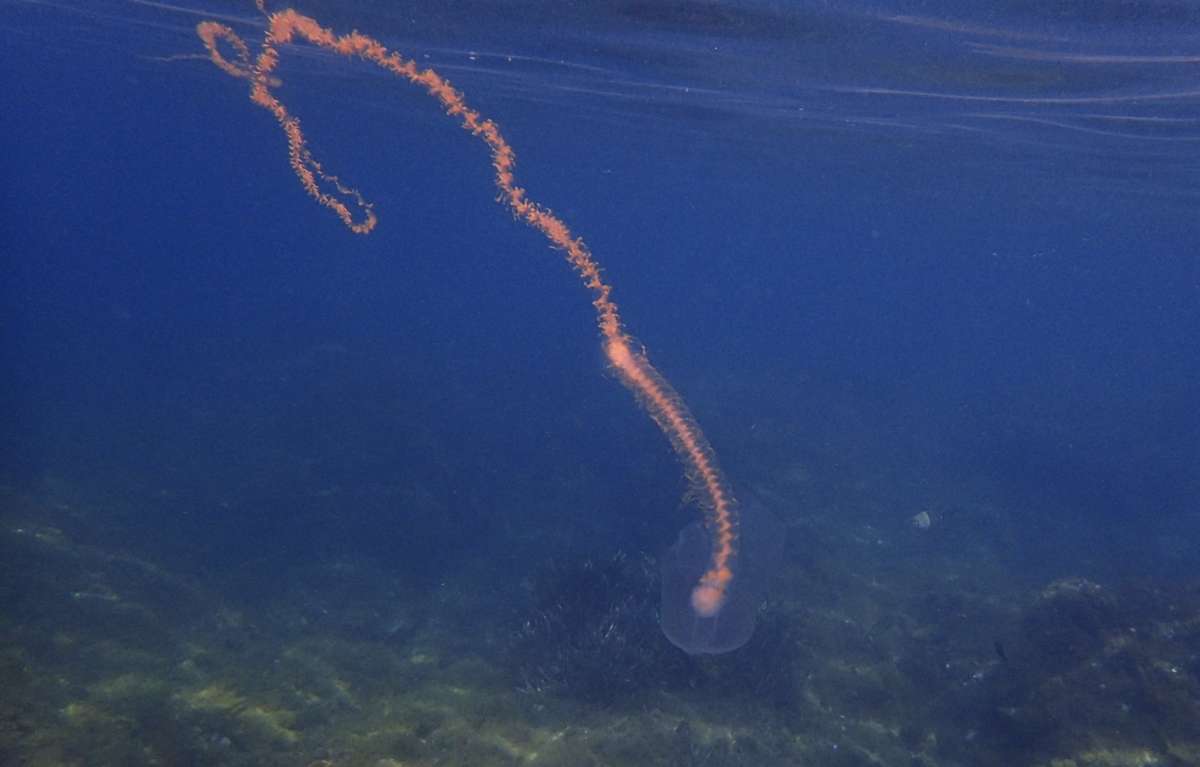
If you were to dive deep into the "Midnight Zone" of the ocean—about 700 to 1,000 meters down—you might encounter a shimmering, pale ribbon drifting through the darkness. It looks like a single, massive organism, but it’s actually something far stranger.
Meet Praya dubia, the Giant Siphonophore. It’s one of the longest animals on Earth, a masterpiece of evolutionary "weird," and a reminder that the deep sea doesn't play by our rules.
1. It’s Not Actually "An" Animal
The weirdest thing about Praya dubia is its identity. It isn’t a single multicellular organism like a whale or a human. It is a colonial organism.
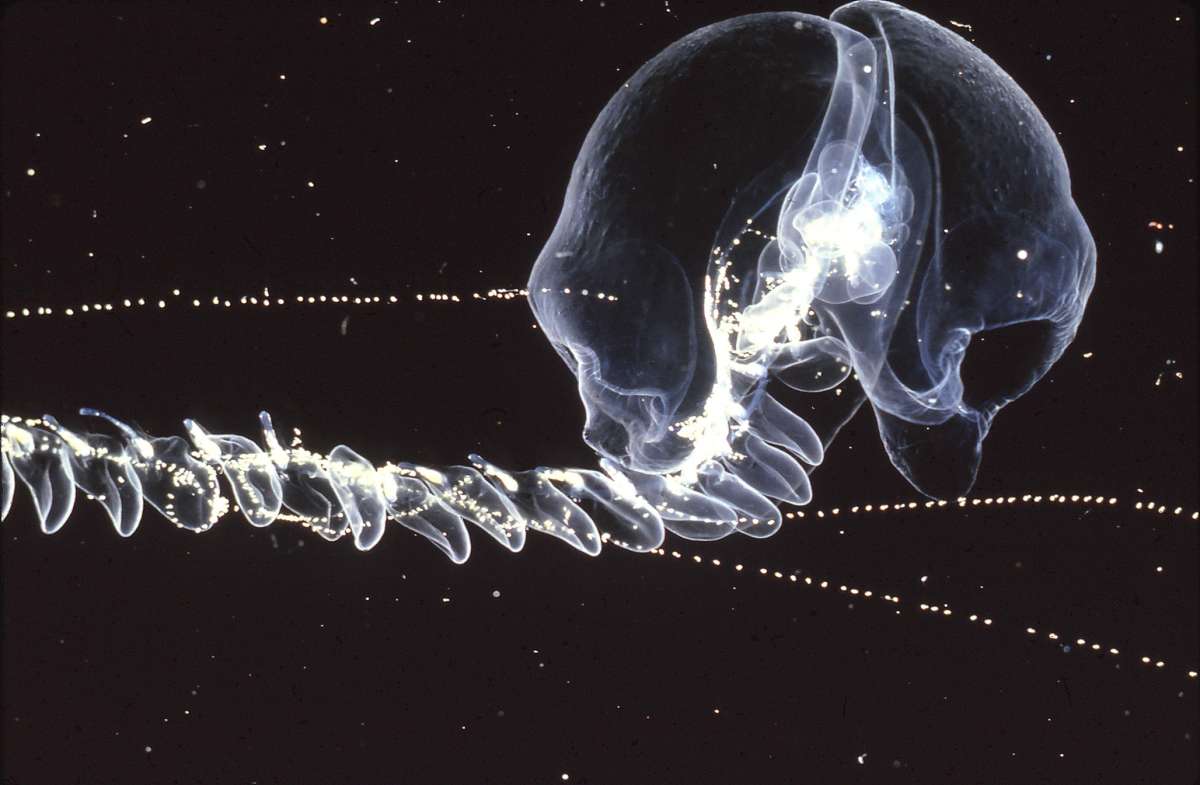
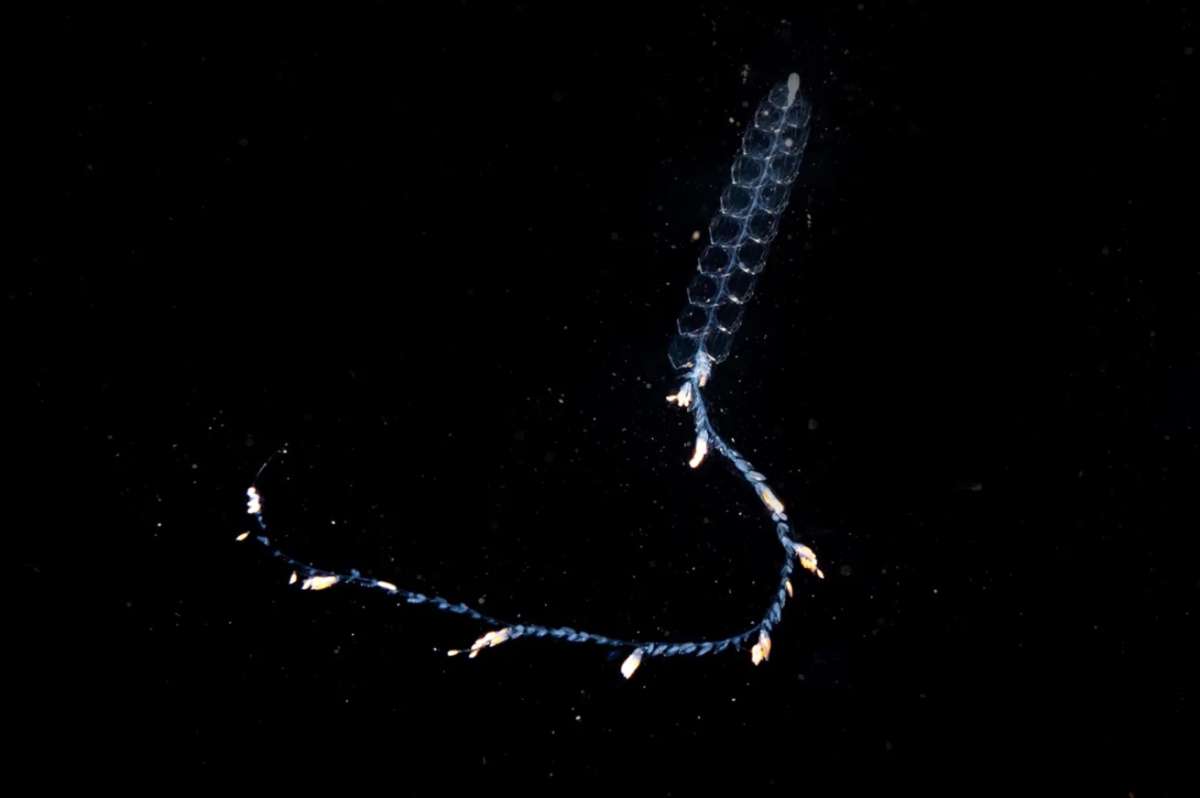
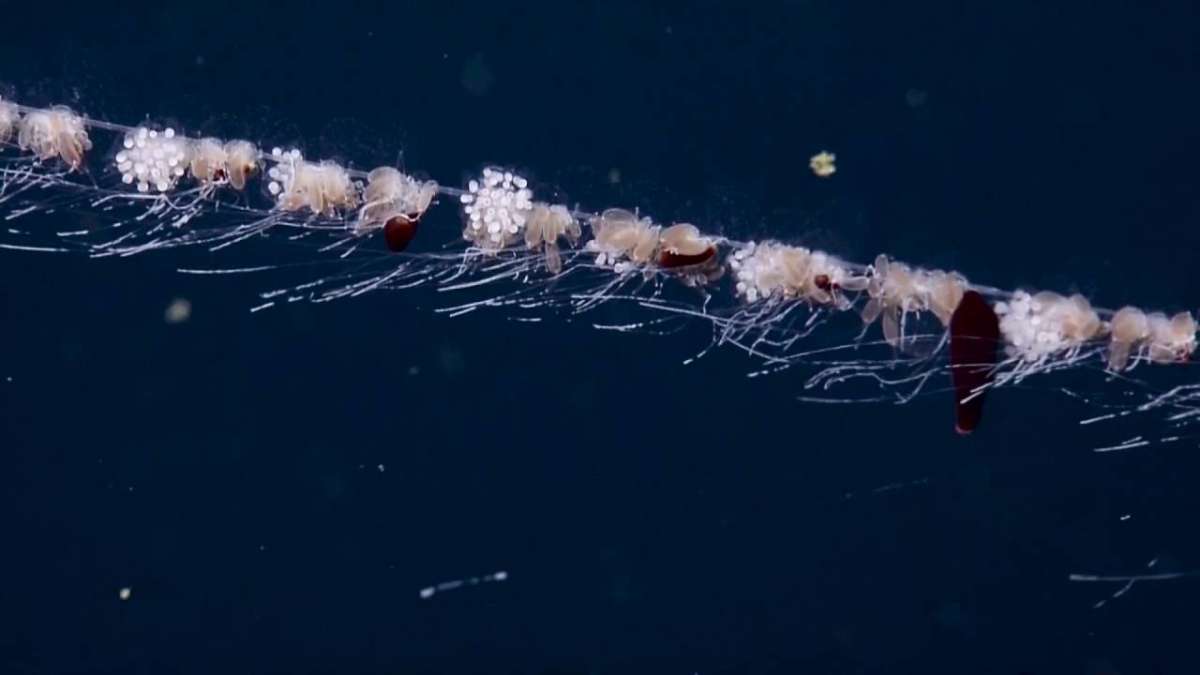
Think of it as a floating city where every citizen is physically fused together. It is made up of specialized units called zooids. Each zooid has a specific, life-long job:
- The Nectophores: These act as the engines, pulsing to provide propulsion.
- The Gastrozooids: These are the "stomachs," responsible for catching and digesting prey.
- The Gonozooids: These handle reproduction to keep the colony going.
Because they are all genetically identical and cannot survive without one another, they function as one giant, cohesive "individual."
2. It’s Longer Than a Blue Whale
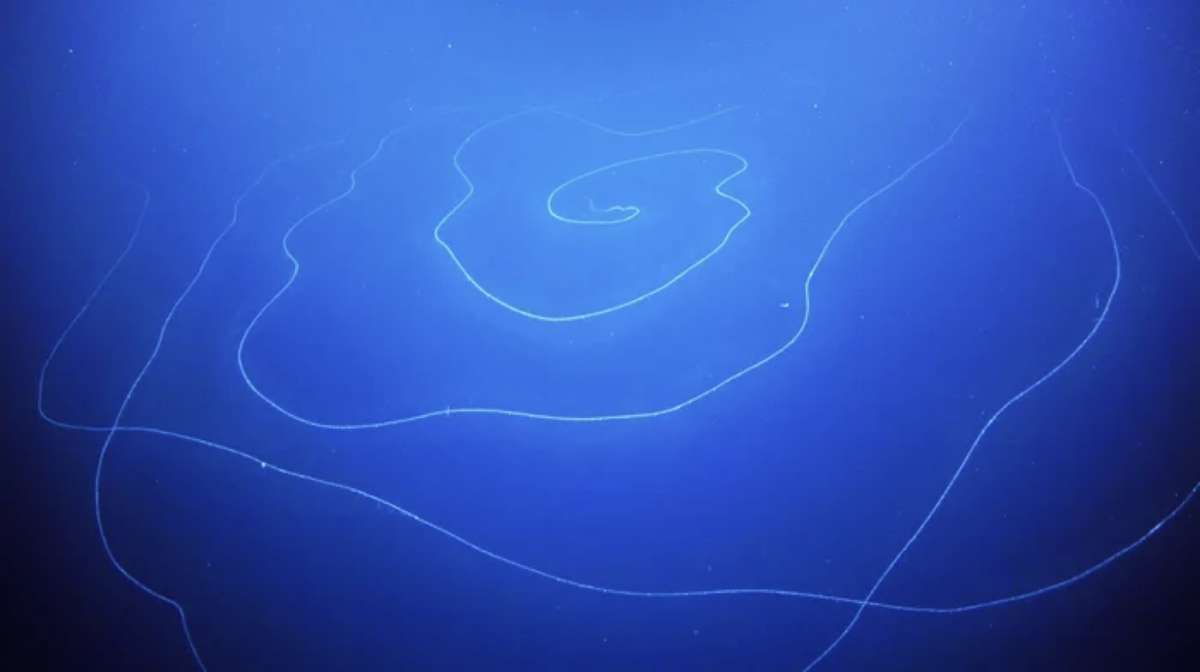
When people think of the largest animals on Earth, the Blue Whale usually takes the crown. However, Praya dubia can reach lengths of up to 40 to 50 meters (roughly 130 to 160 feet).
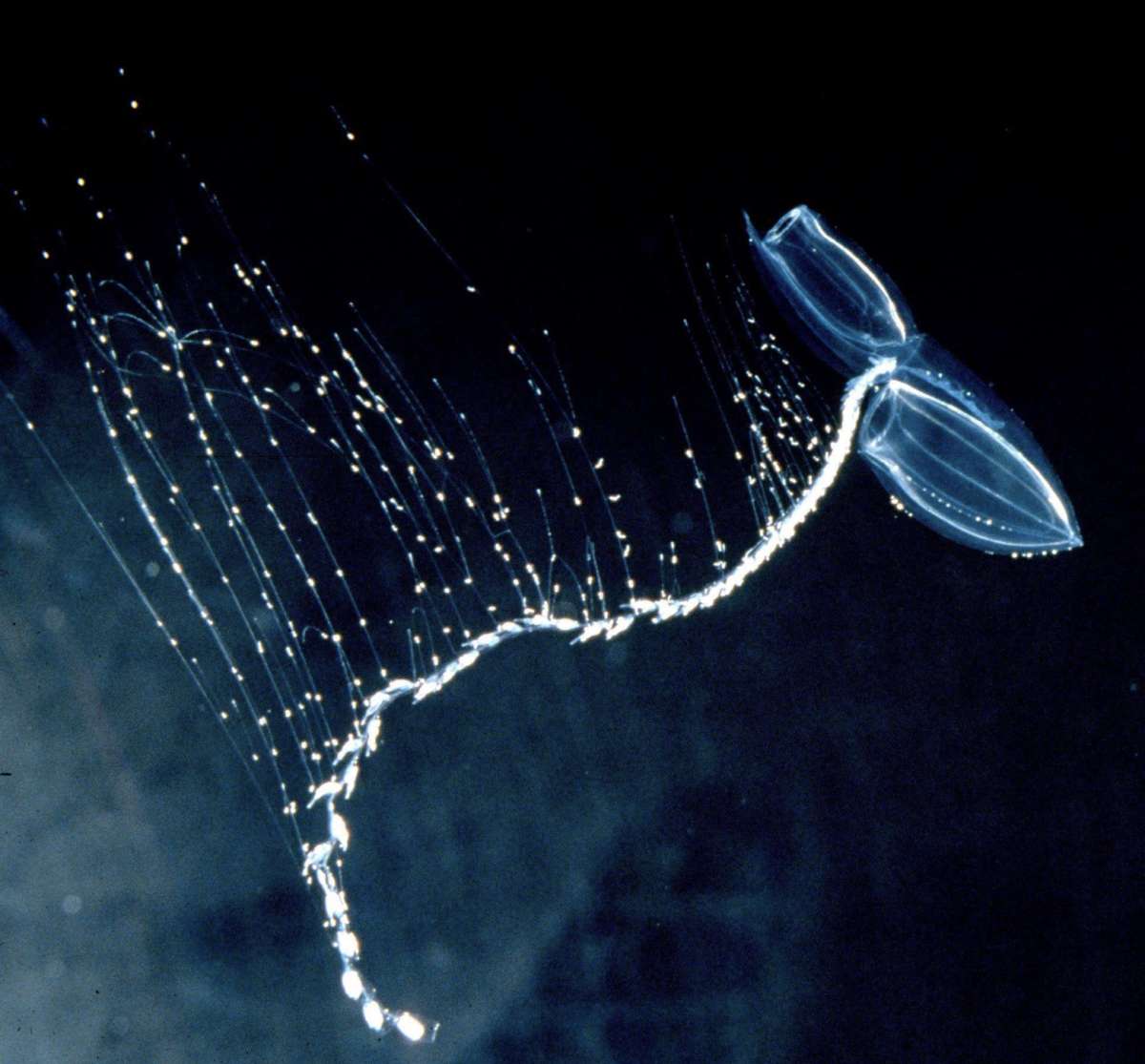
While it is only about as thick as a broomstick, its sheer length makes it a contender for the longest creature in the sea. It drifts through the water like a thin, ghostly train, dragging a curtain of lethal stinging tentacles behind it.
3. A Luminous Blue Death Trap
In the pitch-black depths, Praya dubia glows. It produces a bright bioluminescent blue light.
For small fish and crustaceans, this light is an irresistible lure. But the moment they touch the "ribbon," they are met with thousands of stinging cells (nematocysts) that deliver a powerful toxin. The colony then retracts that section of the line to bring the meal to the nearest gastrozooid.
Quick Facts: Praya dubia at a Glance
Max Length : ~50 Meters ($164$ ft)
Habitat : Bathypelagic Zone (Deep Sea)
Diet : Small fish, crustaceans, and gelatinous zooplankton
Defense : Intense bioluminescence and stinging cells
Fragility : So delicate they often disintegrate when touched by human equipment
Why It Matters
Praya dubia is a reminder of how little we know about our own planet. Because they live at such extreme depths and are so fragile—often falling apart the moment a research net touches them—we have only been able to study them effectively using Remotely Operated Vehicles (ROVs) in recent decades.
They represent a different way of existing: a world where "self" and "colony" are the same thing, drifting silently in the dark, waiting for the next spark of light.
Deep Sea Note: If you ever see a glowing blue "rope" while diving in a deep-sea submersible, remember: you aren't looking at a creature, you're looking at a highly organized, underwater civilization.
What part of the deep sea fascinates you the most—the strange biology of the creatures or the mystery of the unexplored trenches?
Photos
Comments