

Logbook & Turkish Coffee: My Week on a Diving Gulet Along the Turquoise Coast
May 8, 2025 | Fethiye to Kaş, Turkey
My wetsuit is currently dripping over the wooden railing of our gulet, slowly baking in the late afternoon Mediterranean sun. I’m sitting cross-legged on the aft deck, a tiny cup of thick, muddy Turkish coffee in one hand and my dive log in the other.
If you had asked me a year ago about liveaboard diving, my mind would have immediately jumped to the massive, steel-hulled floating hotels of the Red Sea or the Maldives. I honestly didn't even know Turkey had a "liveaboard" scene until a dive buddy convinced me to book a "Blue Cruise" this spring.
But here we are. It’s early May 2025, the season has just kicked off, and I’m realizing that diving in Turkey isn’t about chasing whale sharks or checking off adrenaline-pumping drift dives. It’s about history, impossibly blue water, and arguably the best post-dive food on the planet.
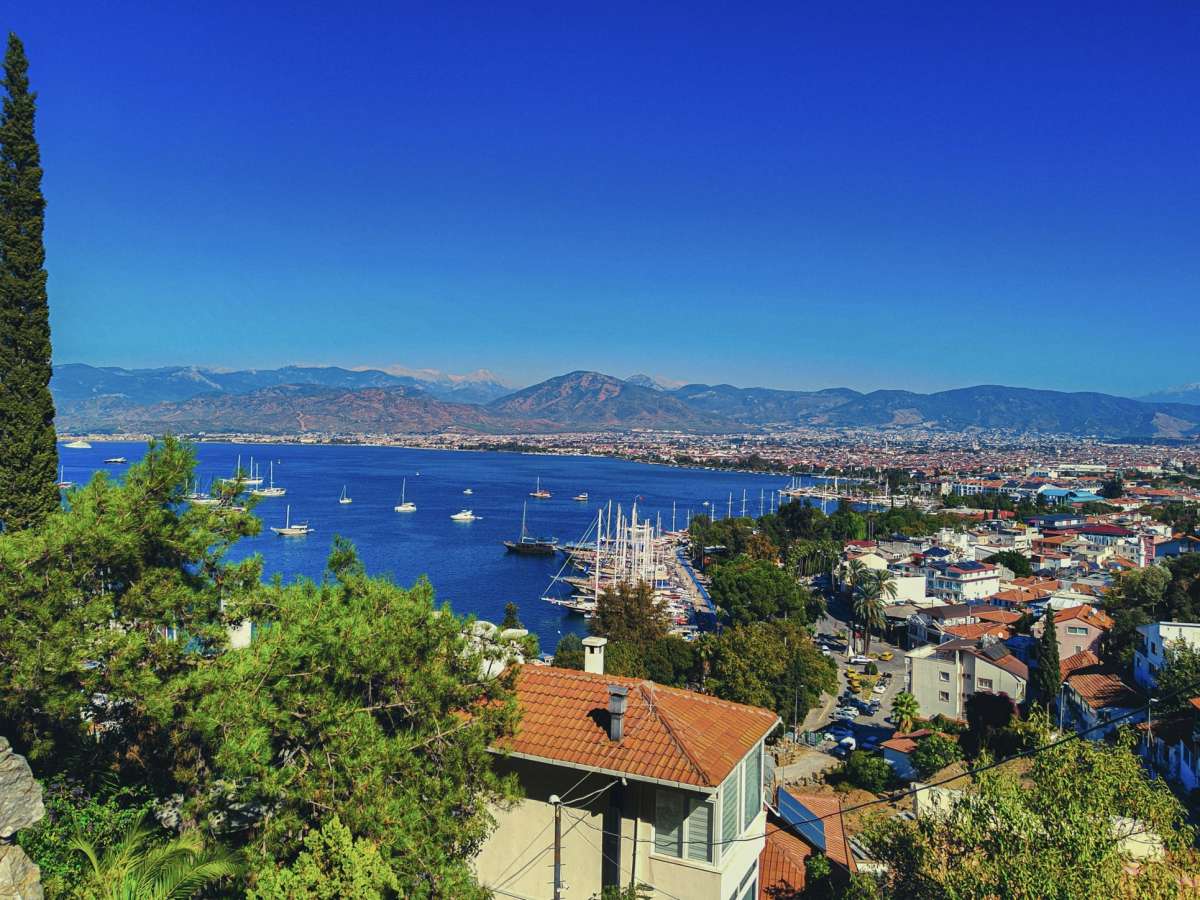
Here’s a peek into my travel diary from the last few days sailing from Fethiye down to Kaş.
The Boat: Not Your Average Dive Liveaboard
We aren't on a standard dive boat. We chartered a traditional two-masted wooden gulet. She’s about 30 meters long, built locally, and creaks reassuringly when the wind picks up. The cabins below deck are cozy (a polite way of saying you have to sideways-shuffle to the bed), but it doesn’t matter because everyone just drags their mattresses up to the top deck to sleep under the stars anyway.
Our captain, a perpetually sunburned guy named Burak, navigates these jagged, pine-tree-lined coastlines entirely by memory. The compressor hums away on the bow while our onboard chef is in the back chopping eggplant and grilling halloumi. It is a completely different, gloriously laid-back rhythm.
Dropping into the "Blue"
The water here right now is… brisk. It’s early May, so the surface is a welcoming 21°C (70°F), but hit a thermocline at 20 meters and it wakes you right up. I’m glad I packed my 5mm wetsuit and a hood.
Our checkout dive was just outside the Fethiye harbor in a calm, sheltered cove. I wasn't expecting much, but the moment I rolled backward off the zodiac, the visibility blew me away. We had a solid 30 to 40 meters of crystal-clear water.
Yesterday, we hit the Afkule Wall. This site is wild. You drop down along a sheer cliff face that just plunges into the abyss. The limestone walls are deeply fissured and covered in yellow and purple sponges. We spent the dive poking around the swim-throughs and caves, shining our torches into the dark to find massive moray eels and the occasional grumpy-looking Malabar grouper.
Kaş: Wrecks and Flying Fish
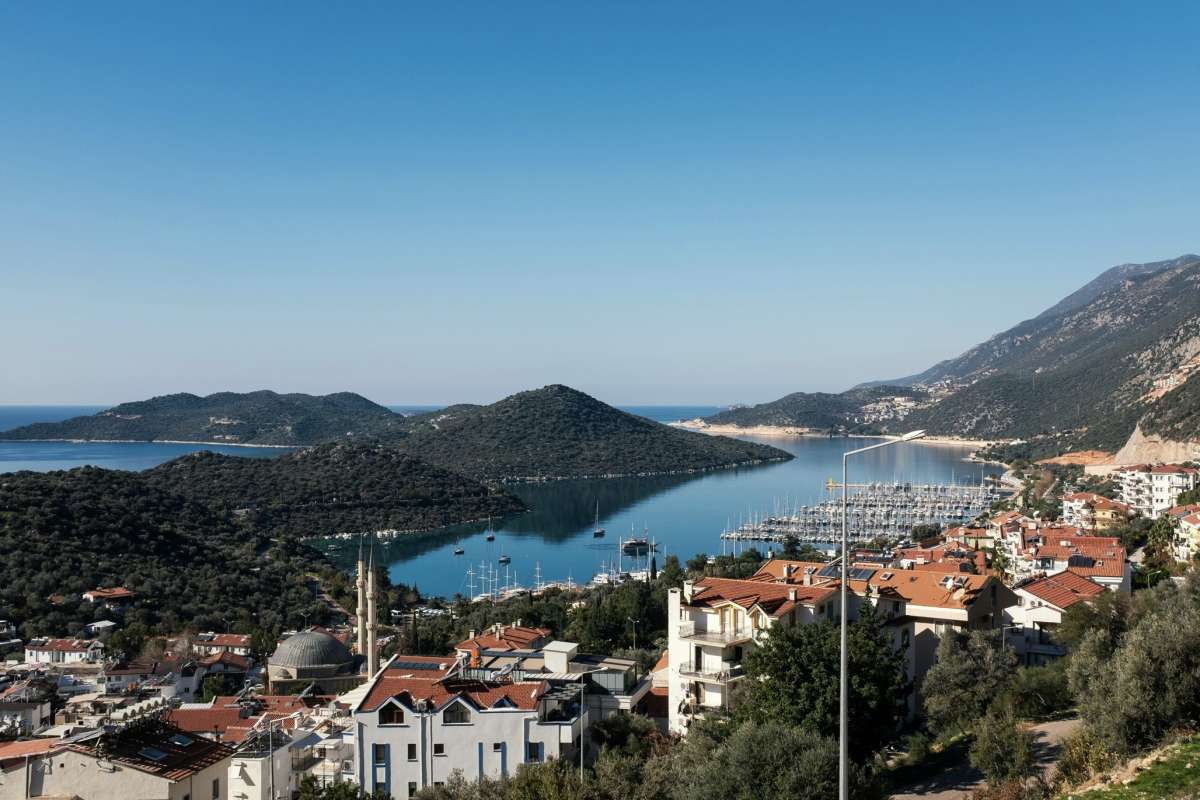
This morning, we anchored near Kaş, which everyone on the boat insists is the diving capital of Turkey. They aren't wrong.
We dove the Canyon, passing through a narrow gorge between two underwater walls. As we exited the canyon, the sandy bottom dropped away, and there she was: the Dimitrios wreck. It’s a cotton-carrying cargo ship that sank back in the late 60s. Nature has completely reclaimed it. It’s heavily encrusted with marine life, and we had a massive loggerhead turtle (Caretta caretta) gracefully swim right over the rusted hull, completely ignoring us blowing bubbles below.
Later in the day, we did a shallower dive near the Uluburun Wreck replica. The original is one of the oldest shipwrecks ever discovered (dating back to the Late Bronze Age) and is safely sitting in a museum in Bodrum. But a local dive society sank an exact replica, complete with terracotta amphorae scattered across the sand. Hovering over a 3,000-year-old cargo layout, even a replicated one, makes you realize how long humans have been navigating—and sinking in—these waters.
Surface Intervals
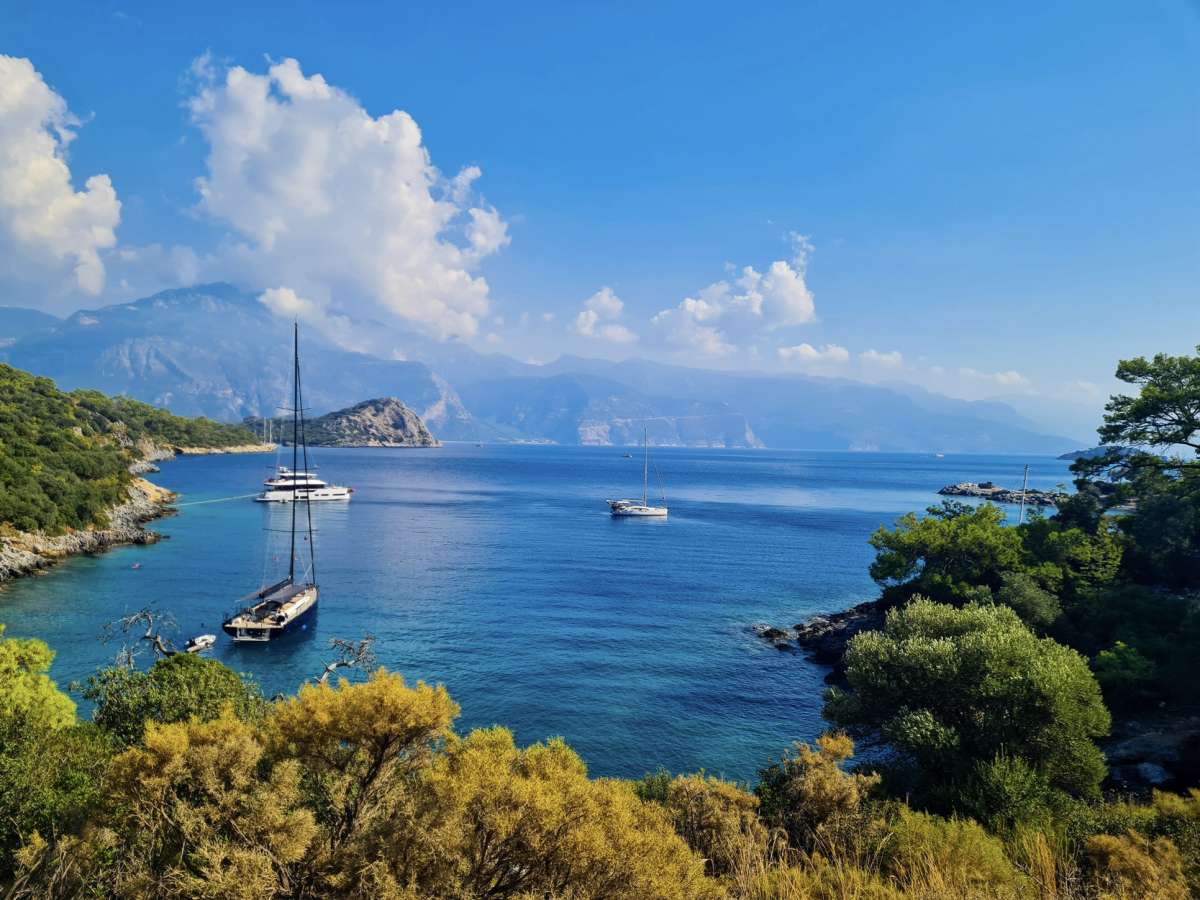
The best part of this trip might actually be the surface intervals. On a normal dive boat, you sit in a wet saloon eating dry cookies. Here, we moor up in secluded bays only accessible by boat, like Aquarium Bay or near the ruins of Kekova.
Between dives, we snorkel over the tops of sunken Byzantine ruins, paddleboard into sea caves, or just sit on the sun deck eating our weight in mezes—stuffed vine leaves, hummus, fresh octopus salad, and endless baskets of crusty bread.
The Verdict
I’ll be honest: if you’re a diver who only cares about massive pelagics or high-speed currents, a Turkish gulet cruise might feel too slow for you.
But if you like your diving paired with ridiculous visibility, fascinating underwater topography, ancient history, and evenings spent drinking local wine while the Mediterranean laps against a wooden hull? This is the trip.
Tomorrow we dive a site called Flying Fish Reef, and then we start the slow, lazy sail back up the coast. My gear is finally dry, but Burak just shouted that the compressor is off and dinner is ready. Time to eat.
Photos
Comments