- Best-Price Guarantee
- 24/7 Expert Support
- No Booking Fees
- Direct with Operators
- 500+ Boats Worldwide
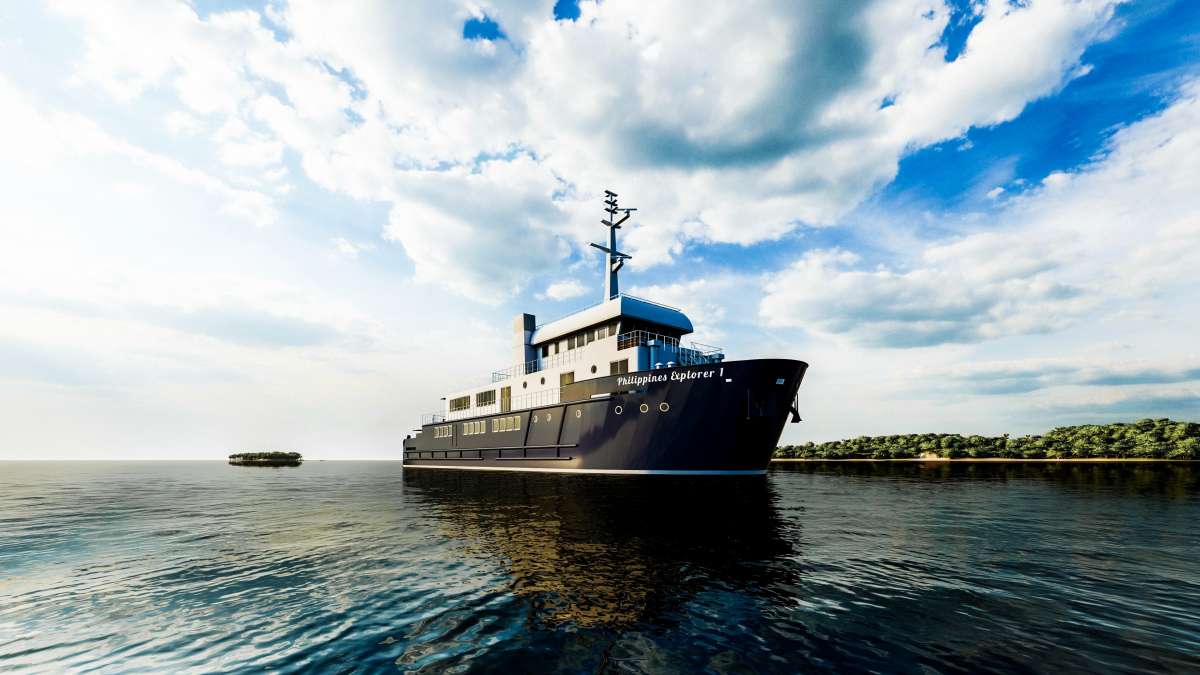
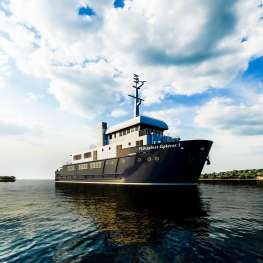
Philippines Explorer One is a 43.96-metre steel expedition liveaboard being completely rebuilt for a planned 2027 launch. Eleven above-waterline ensuite cabins accommodate 21 guests on scheduled cruises or 22 on a full charter, supported by 18 crew. Diesel-electric propulsion, a 1,110 kWh battery bank, gyro stabilisers, three dive tenders, air and Nitrox systems, a swimming pool, fitness room and spacious indoor-outdoor areas are designed for quiet, long-range Philippine diving. The operator currently schedules its first Tubbataha programmes from 2028.
Description
Boat
Philippines Explorer One is a future luxury diving and adventure liveaboard designed for remote Philippine expeditions. The vessel is not yet an established operating product: the operator says she is undergoing a complete 2025–2027 rebuild, plans to begin cruising in 2027, and promotes Tubbataha departures from 2028. This timing must remain visible in customer-facing copy so concept specifications and rendered interiors are not mistaken for a commissioned vessel.
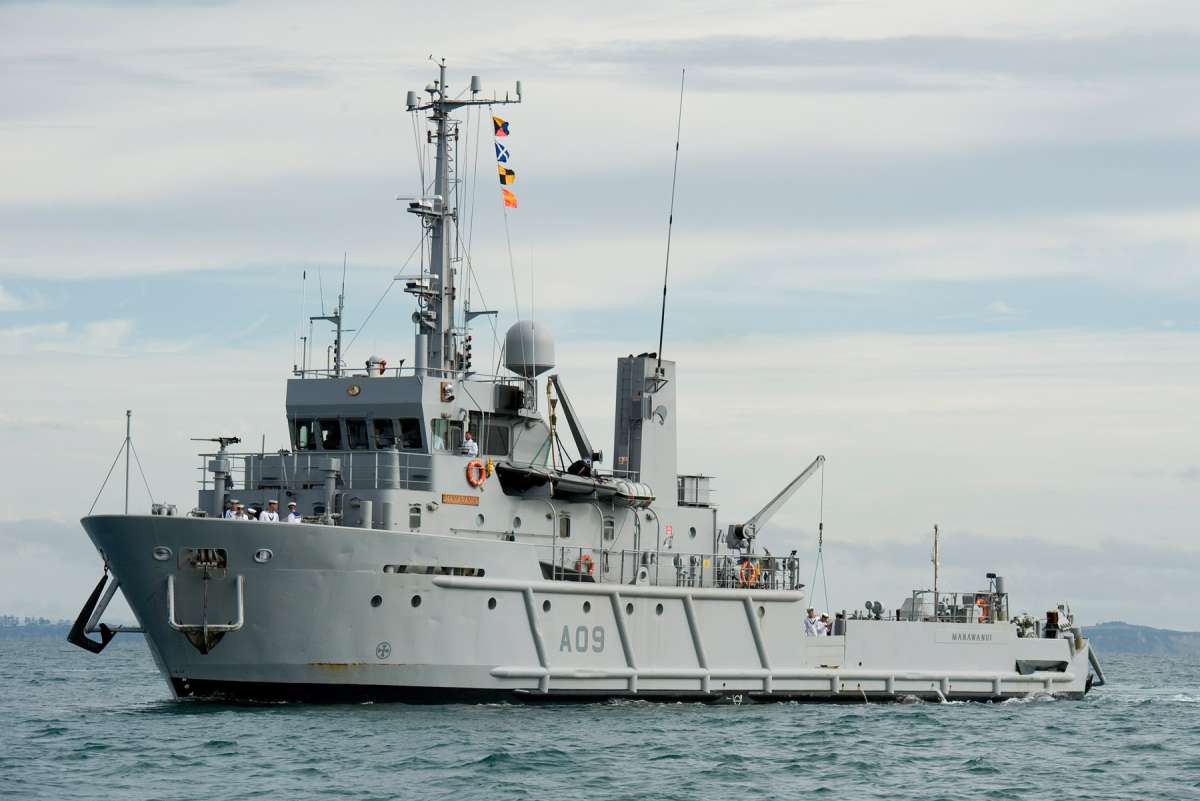
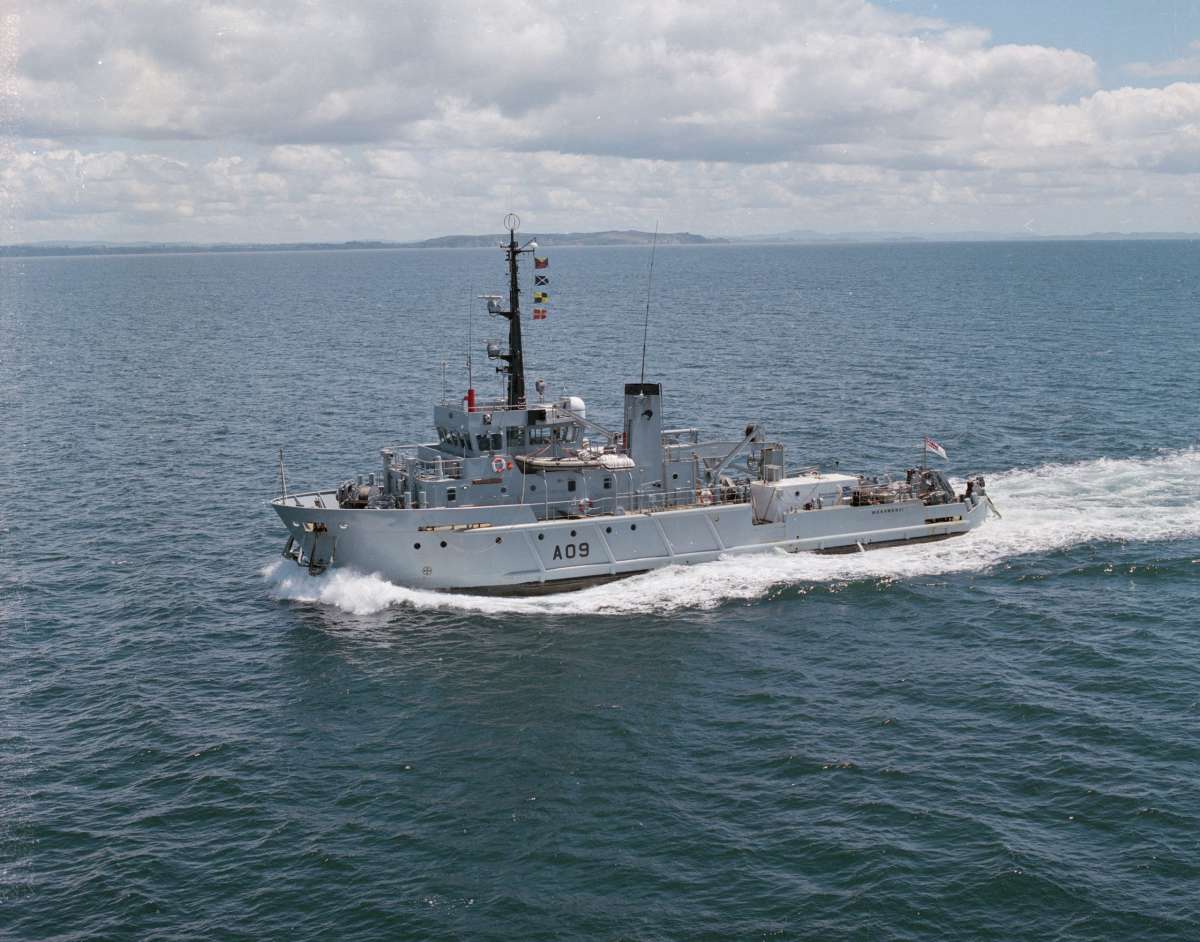
The steel hull was completed in 1979 as a North Sea oil-rig support vessel. It later served as the Royal New Zealand Navy dive tender HMNZS Manawanui, then worked as a diving research vessel before the present conversion. The official technical page gives an overall length of 43.96 metres, a 9.53-metre beam and 4.25-metre draft; an introductory line rounds the length to 43.98 metres. “Approximately 44 metres” is therefore the safest summary.
The announced propulsion package combines four Volvo Penta D8 250 kW generators, electric drive motors and 1,110 kWh of batteries. The operator intends to use battery power for quiet anchoring and selected overnight operation, supported by sound-insulated internal structures. This is a hybrid diesel-electric system, not a zero-emission vessel, and its final operating range, fuel consumption and battery-only endurance have not been published.
Average cruising speed is listed at 8 knots. A watermaker rated at 12,000 litres per day supports longer voyages. Dive and transfer operations are planned around one Highfield Patrol 760 and two Zodiacs. The unusually broad working hull, four guest decks and gyro stabilisers are intended to improve space and comfort in open water, although no stabilisation system can remove every movement in Tubbataha seas.
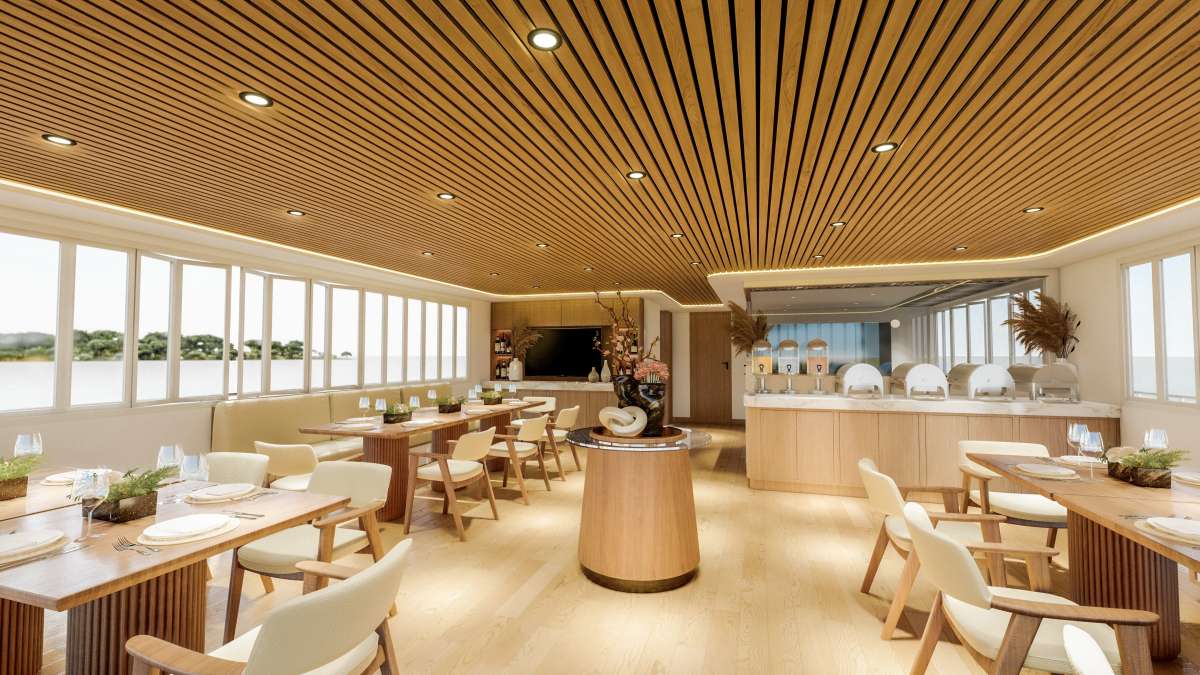
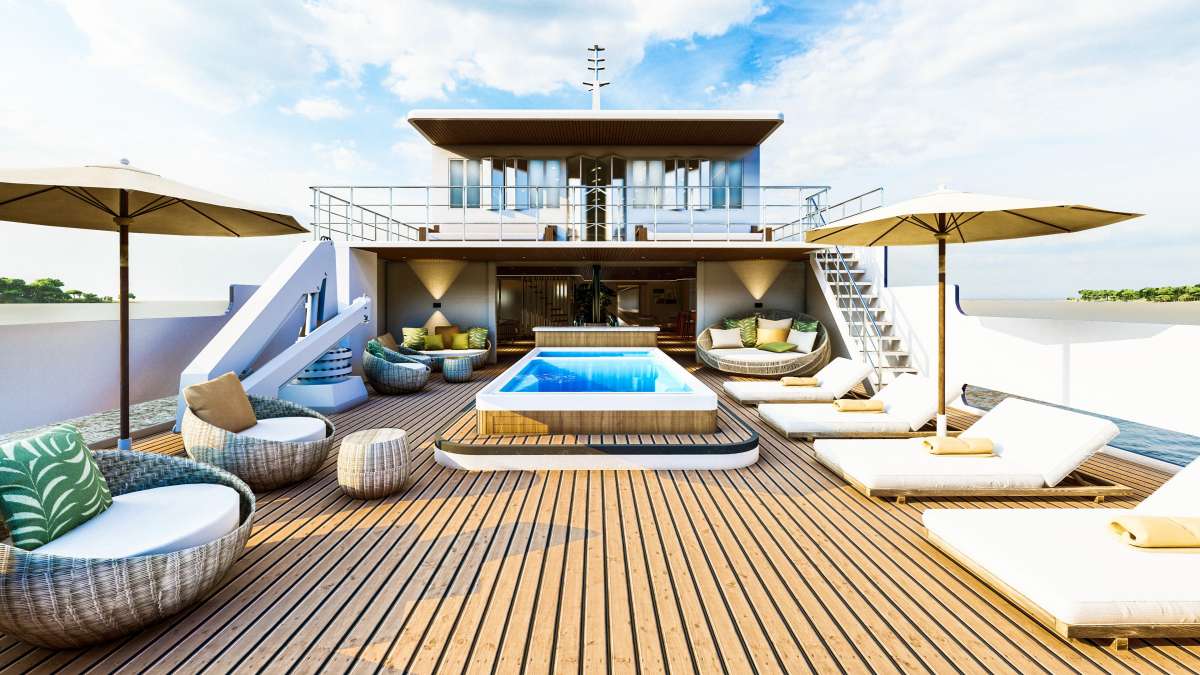
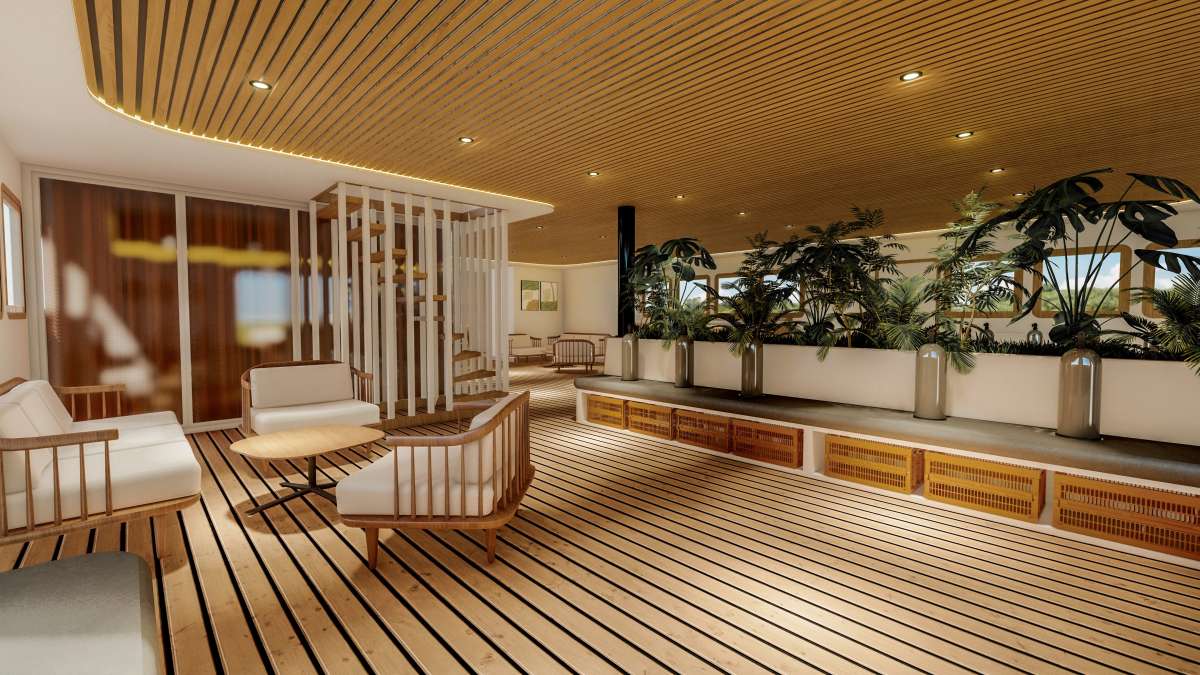
Concept plans show air-conditioned indoor areas, a large saloon and dining room, open decks, a back-deck swimming pool with optional swim current, a fitness centre and several quieter seating zones. An onboard masseuse and a small craft-beer brewery are also advertised. Massage, alcoholic drinks and minibar use are not part of the standard published inclusion list and should be priced separately unless a dated offer states otherwise.
The galley is planned for Asian and Western menus, beach barbecues and flexible dietary preparation. The vessel page states that all meals and non-alcoholic beverages are included, specifically soft drinks, freshly ground coffee, tea and herbal infusions. Wine, cocktails and beer are available rather than automatically free. Allergies, vegan or religious diets should be declared before booking because an offshore galley cannot guarantee a completely isolated preparation area.
Published safety and communication equipment includes AIS, radar, EPIRB, SART, DSC-VHF radio, four 20-person life rafts, lifejackets, oxygen and first-aid kits, fire and bilge alarms, gyro stabilisers and Starlink hardware. Final certificates, inspection dates, oxygen capacity and post-refit emergency procedures should be confirmed after commissioning. Starlink access is a paid onboard package and its speed or continuity is not guaranteed.
No lift, accessible cabin specification or step-free route is published. Tender transfers, thresholds, marine stairs, wet decks and vessel movement can be significant for guests with reduced mobility. A traveller who needs assistance, refrigerated medication, oxygen, charging for medical equipment or a specific evacuation plan should obtain written acceptance before paying.
Cabin
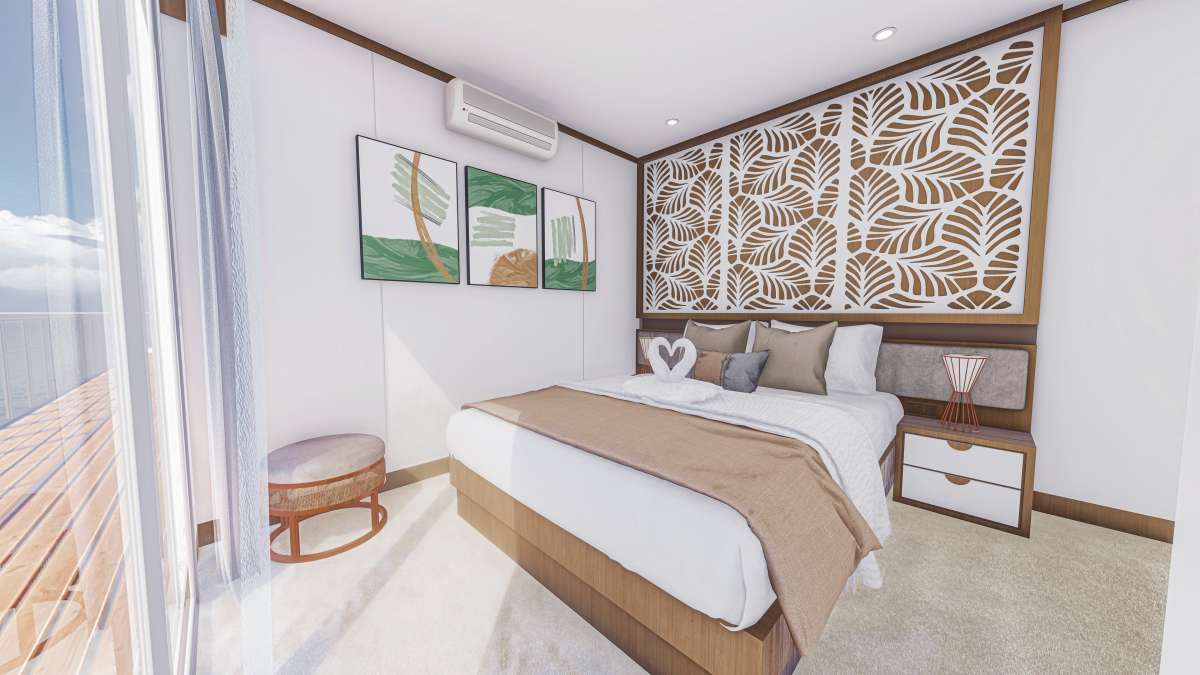
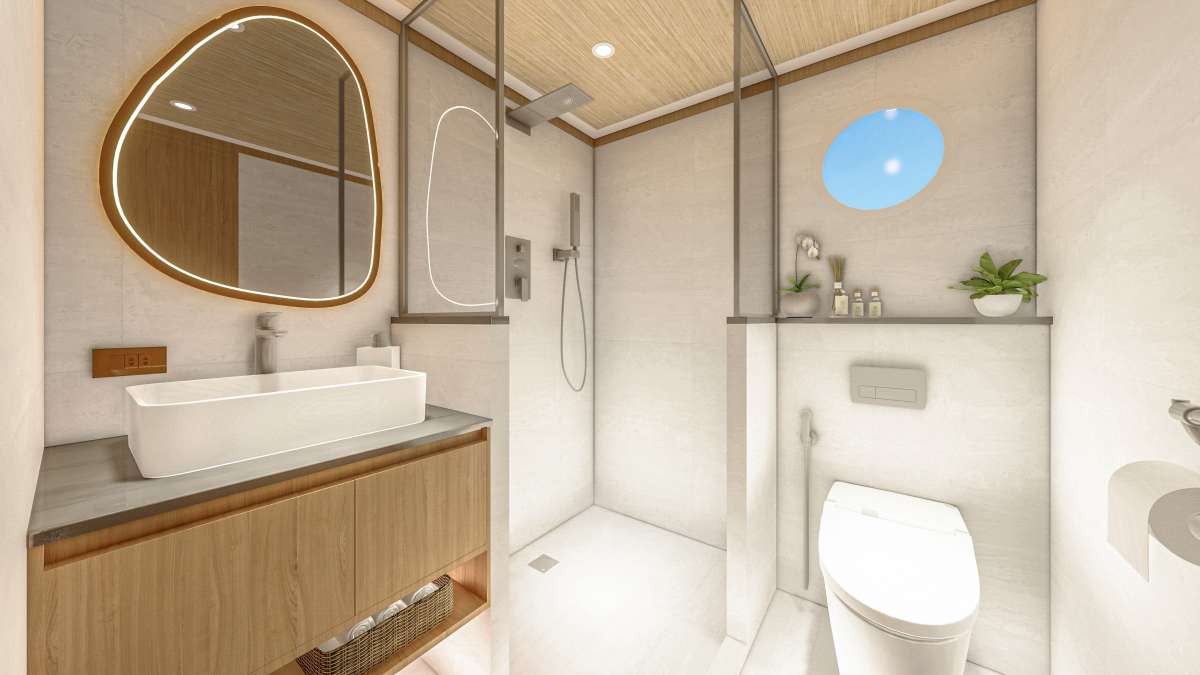
Philippines Explorer One is designed with 11 guest cabins, all on the main deck or higher and therefore above the waterline. Every cabin is announced with an ensuite bathroom, hot water and individually controlled air conditioning. The operator also lists universal sockets compatible with major international plug types. Final outlet count, USB provision, hairdryers, safes, toiletries and housekeeping frequency are not yet published.
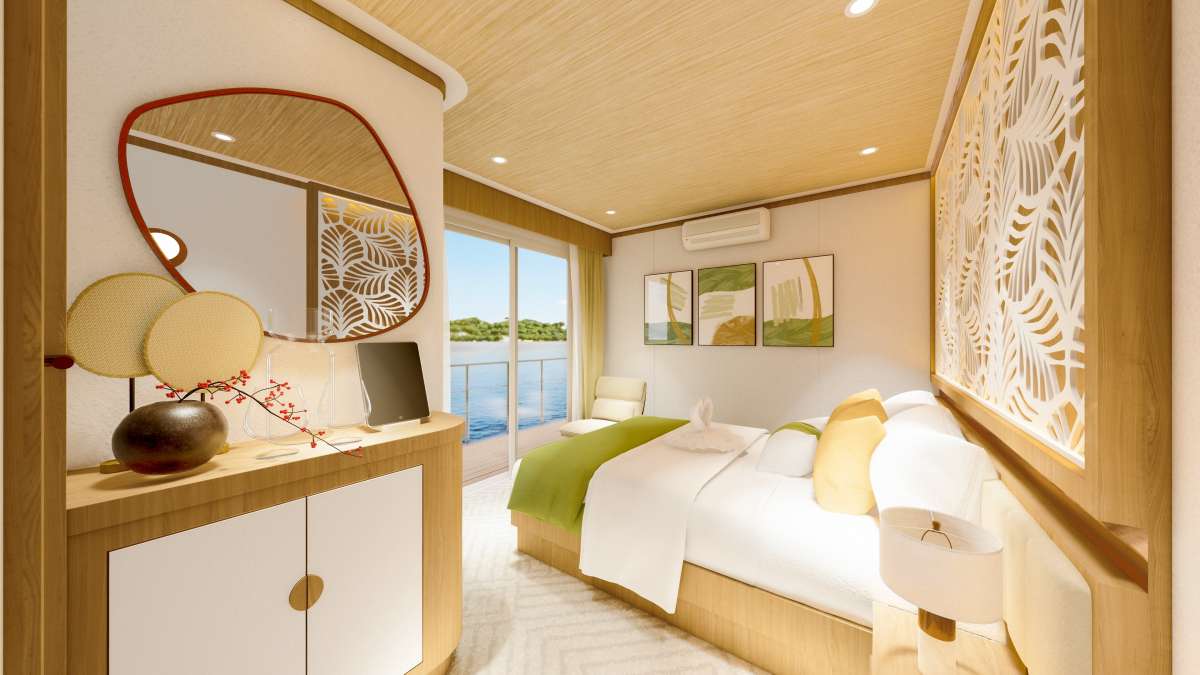
- 1 Premium Suite — bridge deck, maximum 2 guests: the only guest cabin on bridge level. The detailed cabin page specifies a queen-size bed, panoramic ocean views, an exclusive deck-level position and private balcony, an ensuite with rain shower, basin and common-flush WC, Nespresso machine, minibar, 42-inch television and entertainment system. The minibar's included or chargeable contents are not defined.
- 6 Deluxe Ocean View Suites — upper deck, maximum 2 guests each: each can be prepared with a double or twin bed and has its own private balcony. The ensuite contains a shower, basin and common-flush WC. Public material does not provide individual cabin numbers, floor areas, mattress dimensions or a distinction among the six rooms.
- 3 Comfort Double/Twin Cabins — main deck, maximum 2 guests each: the operator gives approximately 20 m² of floor space, double or twin configuration and an ensuite with shower, basin and common-flush WC. These three rooms are sold for double or twin occupancy on scheduled departures.
- 1 Comfort Single Cabin — main deck, maximum 1 guest on scheduled trips: this is physically part of the four-cabin Comfort category and carries the same advertised 20 m² layout and ensuite facilities. It is reserved for one person on scheduled cruises but can be configured as a twin for a whole-boat charter only.
The published capacity calculation is therefore clear: Premium 2 + six Deluxe 12 + three shared Comfort 6 + one single Comfort 1 = 21 guests on scheduled voyages. On a full charter, converting the single Comfort cabin to twin adds one berth for a maximum of 22 guests. The website should never advertise 22 shared places for an ordinary scheduled departure.
All six Deluxe suites are described as having private balconies; the Premium has a private balcony or deck-level outdoor area. The four Comfort cabins do not have advertised balconies. “Ocean view” should not be added to every Comfort room without confirmation, even though all accommodation is above the waterline.
The operator has not published measured Premium or Deluxe suite areas, formal deck plans for public download, exact balcony dimensions, wardrobe volume, mattress brand, sound levels or connecting-cabin options. Current interior images are design renders made before completion. They show the intended finish but cannot guarantee final fabrics, furniture, sightlines or room proportions.
Solo use, roommate matching, child occupancy, extra beds and triple sharing are not defined as universal policies. No sofa bed or rollaway should be inferred from the Premium seating. Families and groups should request a dated rooming list showing category, deck, bedding, balcony, bathroom and maximum occupancy for each named guest.
Diving
Philippines Explorer One is planned as a recreational diving liveaboard with air and Nitrox support. The published inventory lists 30 twelve-litre cylinders, 10 fifteen-litre cylinders, an air compressor, air bank and Nitrox system. Three tenders are intended to divide groups and support pickups at exposed reefs. Valve type, fill limits, guide ratio, camera-table provision and final diver-group size still require a departure-specific dive sheet.
On the announced Tubbataha programmes, the operator plans a maximum of four dives per day, often three, to preserve surface intervals and time onboard. The 13-night Visayas crossing includes transit and two dives at Jessie Beazley on Day 13, while embarkation and disembarkation days do not provide a full dive schedule. “Up to four” is a ceiling, never a guaranteed daily total.
Standard voyage pricing includes scheduled diving where the selected itinerary is a dive programme. It does not automatically include rental equipment or Nitrox. The current onboard-extras sheet prices a full rental set separately and defines it as wetsuit, BCD, regulator, mask, snorkel, boots, fins, weight belt, DSMB and reel; computer and torch are excluded from that set. Individual items, larger cylinders, dive computer, torch and Nitrox are also separately priced.
The operator explicitly states that it cannot support rebreather divers. Helium, oxygen blending for technical profiles, boosters, bailout cylinders, sidemount hardware and technical guides must not be inferred from the presence of Nitrox. Unless a special contract says otherwise, the product is for open-circuit recreational diving.
Optional PADI Advanced Open Water and Enriched Air practical training is listed, together with refreshers and selected specialties on request. Published course prices cover onboard practical instruction only; required eLearning and the certification card are additional. Instructor availability, medical clearance and itinerary suitability must be confirmed in advance.
The general terms require an appropriate certification but do not publish one minimum card or logged-dive total for every departure. Tubbataha can involve blue-water entries, current, negative descents and remote pickups. A diver should ask for the actual certification, experience and recency requirements of the chosen cruise rather than assuming an entry-level qualification will always be accepted.
Comprehensive insurance is mandatory and should expressly cover scuba, hyperbaric treatment, marine evacuation and repatriation. Medical facilities and chambers may be distant. Guests must follow the no-fly interval advised by the cruise team; the operator does not accept liability for flights missed because a safe surface interval must be respected.
Snorkelling, kayaks, stand-up paddleboards, towables, fishing gear and the pool broaden the product for non-divers. Their use depends on weather, local zoning, staff supervision and the daily programme. Fishing must never be assumed legal inside a protected area, and the operator's equipment list does not override national-park rules.
Other Information
The operator's current booking terms establish a useful baseline, but the dated invoice and itinerary remain authoritative.
Unless a specific departure states otherwise, voyage pricing includes:
- Accommodation in the booked cabin category
- Full-board meals and snacks between meals
- Standard non-alcoholic beverages; the vessel page specifies soft drinks, coffee, teas and herbal infusions
- Activities scheduled as included in the confirmed itinerary
- Scheduled scuba diving when the chosen voyage is sold as a dive programme
- Applicable taxes where required by law
Normally excluded or charged separately:
- International and domestic flights, hotels, visas, airport taxes and personal transfers
- Marine-park, conservation, port, government, photography and dive-permit fees
- Dive-equipment rental, Nitrox, larger or extra cylinders, computer and torch
- Alcoholic beverages and chargeable minibar items
- Laundry, massage, Starlink internet and satellite communication packages
- PADI eLearning, certification cards, courses and private instruction unless itemised
- Gratuities, personal purchases and merchandise
- Medical costs, emergency evacuation and mandatory travel/dive insurance
- Any fuel surcharge applied under the booking terms
The current extras sheet gives time-sensitive examples: Starlink is USD 30 for a six- or seven-night trip and USD 40 for a ten- or thirteen-night trip; laundry is USD 1 per item and massage USD 45 per hour. A Nitrox package is listed at USD 100/120/180/240 for six/seven/ten/thirteen nights. These figures can change without notice and must not be hard-coded into a long-lived product page.
Itineraries
Philippines Explorer One is intended for long-range diving and cultural expeditions, but its most complete published programmes are currently the three Tubbataha route families planned from 2028. Two additional seven-day Visayas concepts appear on the operator's overview as “coming soon”; no day-by-day programme is yet published for them.
The itineraries below are planning frameworks, not fixed promises. Tides, current, park instructions, moorings, weather, technical readiness and guest ability determine the final sequence. The operator schedules no more than four dives in a day and often three, with reduced diving on long-passage and final days.
Tubbataha — 8 Days / 7 Nights
This focused return voyage begins and ends in Puerto Princesa. It minimises regional transit and gives the largest share of the week to the North and South Atolls. Tubbataha is remote and has no casual land-based alternative, so guests should arrive in Palawan early enough to absorb flight or baggage disruption.
Day 1 — Puerto Princesa embarkation: meet the team, verify certification and insurance, complete equipment setup, cabin allocation and safety briefings. Departure timing depends on port clearance and the overnight passage into the Sulu Sea; routine diving is not promised.
Day 2 — North Atoll: the first dives establish group procedures and current strategy. Sites around the North Atoll can combine steep walls, reef plateaus, schooling fish, turtles and reef sharks. Exact choices follow the park and cruise director's assessment.
Days 3 and 4 — South Atoll: two days are allocated to the South Atoll, allowing different corners or repeated dives when conditions are productive. Blue-water entries and drifting pickups may be used. Wildlife and visibility cannot be guaranteed.
Day 5 — South and/or North Atoll: the plan moves according to sea state and the best tidal window. The day can bridge the two atolls rather than follow a rigid geographic order.
Day 6 — North Atoll: a further North Atoll day creates room for sites missed earlier and avoids compressing the park into a single pass. Up to four dives remains an operational maximum, not an entitlement.
Day 7 — Jessie Beazley Reef: the outlying reef is the planned final diving area. The actual number of dives and departure time protect the return passage and no-fly interval.
Day 8 — Puerto Princesa disembarkation: arrival, breakfast or final service as confirmed, account settlement and transfer ashore. Flights should not be timed from the itinerary title alone; use the final disembarkation and no-fly advice.
This route suits experienced divers who want maximum time within Tubbataha and do not need a longer Visayas journey. It is still an expedition: a weather change can alter atoll order, reduce dives or replace an exposed site.
Tubbataha and Cagayancillo — 11 Days / 10 Nights
The ten-night programme adds the remote Cagayancillo and Cagayan island reefs to Tubbataha. The operator publishes several port combinations: Puerto Princesa to Campomanes Bay, the reverse direction, and selected Campomanes Bay return schedules. The exact sequence therefore depends on the booked departure and should not be sold as one universal daily order.
Day 1 — Puerto Princesa or Campomanes Bay: embarkation, documentation, rental fitting and safety briefings. The first passage is planned around the selected direction.
Days 2–10 — expedition diving: the official route inventory includes Jessie Beazley and the Malayan Wreck area; North Atoll sectors around the Ranger Station and Shark Airport; South Atoll; Cavili and Arena islands; and the reefs of Cagayancillo and the Cagayan Islands. Some areas may receive multiple dives or a full day while others are used as passage stops.
Day 11 — Puerto Princesa or Campomanes Bay: disembarkation at the contracted endpoint. These ports are not interchangeable for air and road planning, so the final invoice must state the embarkation and disembarkation place in full.
The longer duration reduces pressure to race between regions, but it also creates more open-water transit. Philippines Explorer One's gyro stabilisers, broad hull and battery-assisted quiet periods are intended to improve comfort; they do not remove the need for seasickness planning. Guests should carry required medication in their hand luggage and consult a clinician when appropriate.
Cagayancillo is presented as a less-visited extension rather than a guaranteed wildlife checklist. Park access, local permissions and ocean conditions can change. A route substitution within the expedition is not evidence that the vessel has failed to operate the cruise safely.
Tubbataha and the Visayas — 14 Days / 13 Nights
The operator describes this two-week crossing as a twice-yearly expedition linking Cebu with Puerto Princesa. It combines familiar Visayas reefs, whale-shark activity, remote Cagayan islands and both Tubbataha atolls. Long distances make the order more vulnerable to weather and permit changes than a standard seven-night loop.
Day 1 — Cebu embarkation: boarding, introductions, equipment setup and full safety briefing. The crew confirms the first passage and the approach to Cabilao.
Day 2 — Cabilao: reef and wall diving introduces the Visayas portion. Site and dive count depend on current, arrival time and group readiness.
Day 3 — Balicasag and Panglao: dives can combine steep reef scenery, schooling fish and turtle habitat. Local rules and crowd management influence timing.
Day 4 — Oslob and whale sharks: the published programme names Oslob, but the form of the encounter and whether it is scuba or snorkelling must be confirmed. Wildlife interaction rules and ethical concerns should be explained before participation; no close encounter is guaranteed.
Day 5 — Apo Island: coral slopes, walls and current-sensitive sites form the transition away from the central Visayas. The cruise director selects profiles appropriate to the group.
Days 6 and 7 — Cagayan Islands: two days allow exploration of remote island reefs and provide a practical bridge toward Palawan waters. The programme can be shortened or rearranged if the crossing demands it.
Day 8 — Cavili and Arena Islands: planned reef diving continues westward. Access is governed by sea state, local permission and safe tender operations.
Days 9 and 10 — Tubbataha North Atoll: repeated North Atoll days give flexibility across walls, plateaus and current windows rather than forcing one site list.
Days 11 and 12 — Tubbataha South Atoll: two days are allocated to the South Atoll. Pelagic encounters are possible, but the healthy reef system is the dependable reason for the voyage—not a guaranteed shark or manta checklist.
Day 13 — Jessie Beazley Reef: the official sample states two dives, followed by the return passage. This lower count helps protect the final transfer and no-fly plan.
Day 14 — Puerto Princesa disembarkation: settle extras, leave the vessel and continue according to the confirmed transfer arrangement. A buffer night in Puerto Princesa is sensible after such a remote crossing.
This voyage best suits travellers who value geographic variety and accept passage time. It should not be marketed as thirteen full four-dive days. Embarkation, long crossings, wildlife activities and the final day naturally reduce the dive total.
Future Visayas Programmes
The route overview also lists Best of the Visayas — 7 days / 6 nights and Malapascua & Southern Leyte — 7 days / 6 nights for Philippines Explorer One, both marked as coming soon. Published highlights mention thresher sharks, Gato Island, Ticao drop-offs, Anda, Napantao and Camiguin, but the operator has not issued a full sequence, ports, inclusion sheet or confirmed launch dates.
These concepts may eventually broaden the vessel beyond Tubbataha. Until a dated programme exists, do not copy the Explorer Two day-by-day routes onto Explorer One, promise a Wednesday departure or sell specific sites as confirmed. The two vessels have different capacities, cruising speeds and commercial formats.
Typical Dive Day at Tubbataha
An active day may begin with a dawn briefing and first tender dive, followed by breakfast. A second dive normally precedes lunch, with a longer surface interval before an afternoon dive. A fourth dive may be scheduled when conditions, park rules, daylight, gas logistics and guest readiness allow; the operator says three dives will often be the better rhythm.
Tender groups need to stay within guide procedures and carry the surface-signalling equipment required by the cruise team. Current can separate divers from a reef quickly. Personal DSMB and computer competence, conservative gas management and immediate compliance with pickup instructions are essential.
Night diving is not guaranteed. The operator seeks to minimise unnecessary night navigation and shape days around rest, but passages between distant areas remain unavoidable. The daily briefing—not a generic website timetable—controls wake-up, meals, dives and activity windows.
Season, Ports and Travel Planning
Tubbataha access is seasonal and controlled. Even within the operating window, visibility, current and swell vary by site and tide. A broad steel vessel improves expedition capability but does not make every departure identical. Weather can delay the crossing from Puerto Princesa or force a conservative route inside the park.
Puerto Princesa is the hub for the seven-night route and one endpoint for the longer expeditions. Cebu and Campomanes Bay require different domestic flights and road transfers. Confirm whether a transfer is included; the standard exclusions do not promise airport or hotel transportation.
Arrive at least one day before embarkation, especially with personal dive equipment. Lost baggage, domestic-flight changes and weather do not automatically entitle a guest to delay the vessel. At the end, respect the cruise team's no-fly time and consider a buffer night before an international connection.
The booking should show the exact number of nights, first and last cabin access, planned dive ceiling, Nitrox charge, park and permit fees, transfer points and emergency contact. The word “Tubbataha” alone is not enough to distinguish the 7-, 10- and 13-night products.
Responsible Expedition Expectations
Tubbataha's value lies in a protected reef ecosystem. Guests should maintain excellent buoyancy, keep equipment clear of coral, avoid touching or pursuing wildlife and follow ranger and guide instructions. Photography never justifies blocking an animal's path or losing contact with the dive group.
Selected departures may host an underwater photographer, but workshops are not included on every trip. Ask whether tuition, image review, private coaching or equipment support forms part of the booked departure. Photography permits are specifically listed among possible extra government charges.
Routes can change without compensation when the master considers it necessary for safety, weather, technical condition or government instruction. The most accurate way to sell Philippines Explorer One is as a flexible future expedition platform with detailed intended facilities and provisional programmes—not as a completed vessel offering guaranteed daily sites.
Schedules & routes
Prices & conditions
Included
- Transfers from airport and/or hotel to the yacht
- VAT and local taxes
- Full-board meal plan (including snacks)
- Complimentary beverages (water, tea, coffee)
- Soft drinks
- Diving activity (incl. tanks, weights, weight belts)
- Dive guide service
- Use of Kayaks or/and SUPs
- Land excursions and activities throughout the trip
- Cabin towels and complimentary toiletries
- Cabin cleaning service
Not included
- Domestic flights in destination country
- Marine park fees & Port fees
- Fuel surcharge
- Alcoholic beverage
- Dive equipment rentals
- Larger tank (15 L)
- Nitrox fills
- Dive courses on board
- Dive insurance (mandatory requirement)
- Travel insurance (trip cancellation insurance)
- Wi-Fi
- Crew gratuity
Useful information
Visayas
Best time for diving
November to May is generally considered the best period for diving in the Visayas, during the dry season, when sea conditions are calmer and visibility is at its best. Diving is possible year-round, especially in protected areas such as Cebu, Bohol, and Negros. The rainy season usually runs from June to October, with occasional typhoons, mainly affecting the northern Visayas. Visibility typically ranges between 15 – 30 meters, with mild to moderate currents depending on the site.
About temperatures
Air: generally ranges between 26°C – 32°C year-round.
Sea: warm throughout the year, usually between 26°C – 30°C.
Wetsuit Recommendation
A 3 mm wetsuit is suitable year-round. Some divers may prefer a 5 mm during longer dives between December and February.
Diver requirement
Suitable for all levels, from beginners to advanced divers. Calm reefs, abundant macro life, whale shark encounters (seasonal), and occasional stronger currents make the Visayas ideal for both training dives and advanced drift diving. You can find out more information about diving in this area here: Visayas
Embarkation / Disembarkation
Liveaboards in the Visayas usually embark and disembark in Cebu City (CEB). Depending on the itinerary (North or South Visayas), alternative ports such as Dumaguete (DGT), Tagbilaran (TAG), or Malapascua (CEB) may be used. Please check with our agent to confirm the exact port for your selected cruise.
Visa Requirements
The Philippines offers visa-free entry for many nationalities, allowing stays of up to 30 days, with possible extensions available locally. For the latest visa information, please consult the Philippine Bureau of Immigration. Immigration authorities may request proof of onward or return travel upon arrival.
Vaccinations
No mandatory vaccinations are required for travelers arriving from non-risk countries. A yellow fever vaccination certificate is required only for travelers coming from countries with risk of yellow fever transmission.
Money Matters
The local currency is the Philippine Peso (PHP). Cash is recommended for small purchases, while USD, credit and debit cards are accepted in major hotels and liveaboards.
Drones
Drone use is generally allowed in the Philippines, but restrictions may apply in marine protected areas and near airports. For details, visit Drone laws in the Philippines
Extending your holiday
We offer a range of hotels/resorts, land-based diving packages, and excursions that can be arranged before or after your liveaboard holiday. Just ask us if you need such service.
Tubbataha Reef
Best time for diving
March to June is considered the best season for diving in Tubbataha, as the seas are calm and visibility is excellent, often between 20 – 40 meters. Currents can be moderate to strong, making some sites more suitable for experienced divers. The park is closed from mid-June to mid-March due to rough seas during the rainy season.
About temperatures
Air: generally ranges between 28°C - 34°C during the diving season.
Sea: warm all year round, around 27°C - 30°C.
Wetsuit Recommendation
A 3 mm wetsuit is usually sufficient, although some divers prefer a 5 mm for longer dives or early-season trips.
Diver requirement
Due to strong currents at some sites, advanced open water or equivalent experience is recommended, although there are calmer sites suitable for less experienced divers. You can find out more information about diving in this area here: Tubbataha
Embarkation / Disembarkation
Liveaboards usually depart from Puerto Princesa (PPS), Palawan. For the 1st and last trip during the dive season, itineraries include a return to Puerto Princesa or an alternate port, please check with our agent for exact details.
Visa Requirements
The Philippines offers visa-free entry for many nationalities, allowing stays of up to 30 days, with possible extensions available locally. For the latest visa information, please consult the Philippine Bureau of Immigration. Immigration authorities may request proof of onward or return travel upon arrival.
Vaccinations
No mandatory vaccinations are required for travelers arriving from non-risk countries. A yellow fever vaccination certificate is required only for travelers coming from countries with risk of yellow fever transmission.
Money Matters
The local currency is the Philippine Peso (PHP). Cash is recommended for small purchases, while USD, credit and debit cards are accepted in major hotels and liveaboards.
Drones
Drone use is generally allowed in the Philippines, but restrictions may apply in marine protected areas and near airports. For details, visit Drone laws in the Philippines
Extending your holiday
We offer a range of hotels/resorts, land-based diving packages, and excursions that can be arranged before or after your liveaboard holiday. Just ask us if you need such service.
Diver's reviews (0)
Photos