

There’s a specific kind of magic that happens when you lose sight of land and your world shrinks to the size of a 104-foot schooner. I just got back from a week-long liveaboard trip through the Bimini Atoll, and honestly, my "land legs" are still a bit suspicious of solid ground.
If you’ve never done a liveaboard, the rhythm is addictive. You don’t check your phone; you check your tank pressure. You don’t worry about traffic; you worry about whether you’ve got enough anti-fog in your mask. Here’s a peek into my dive diary from the crystal-clear edge of the Gulf Stream.
Day 1: The Ghost in the Shallows
We crossed from Florida overnight, the boat rocking us into a heavy sleep until the engines cut near North Bimini. My first giant stride of the trip was into the skeleton of the SS Sapona.
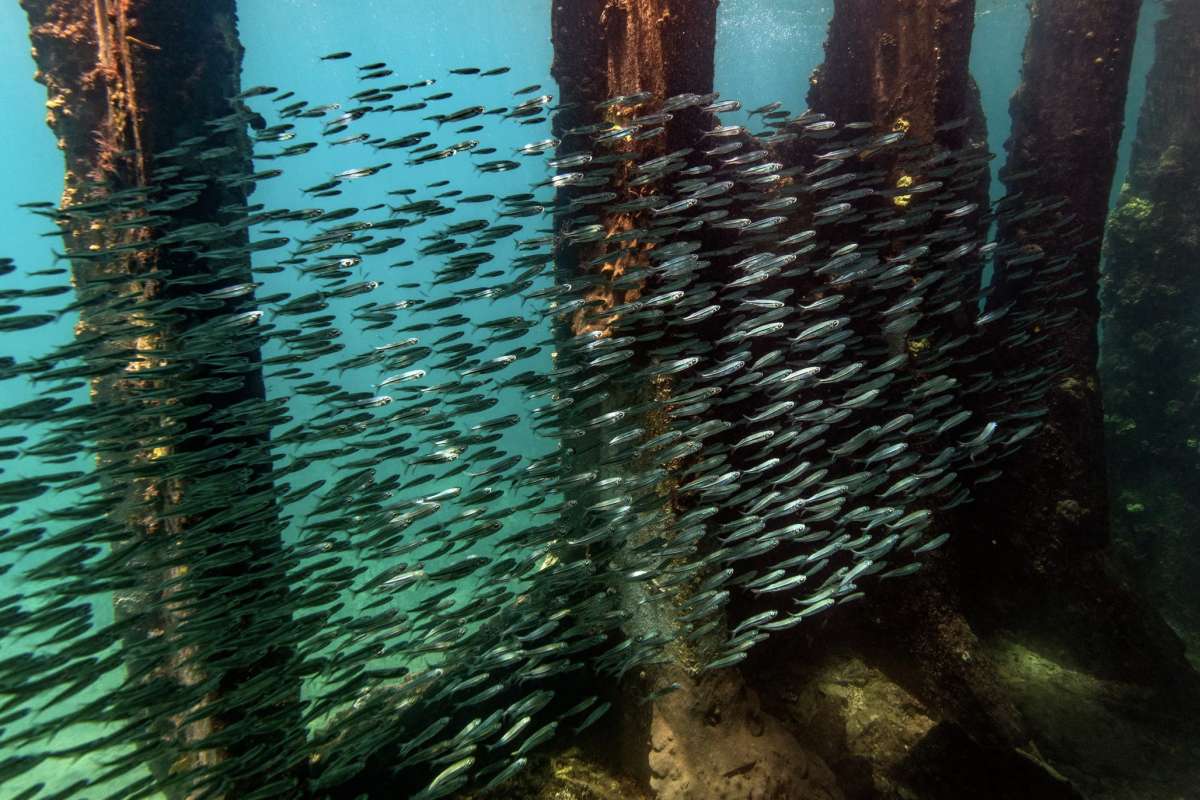
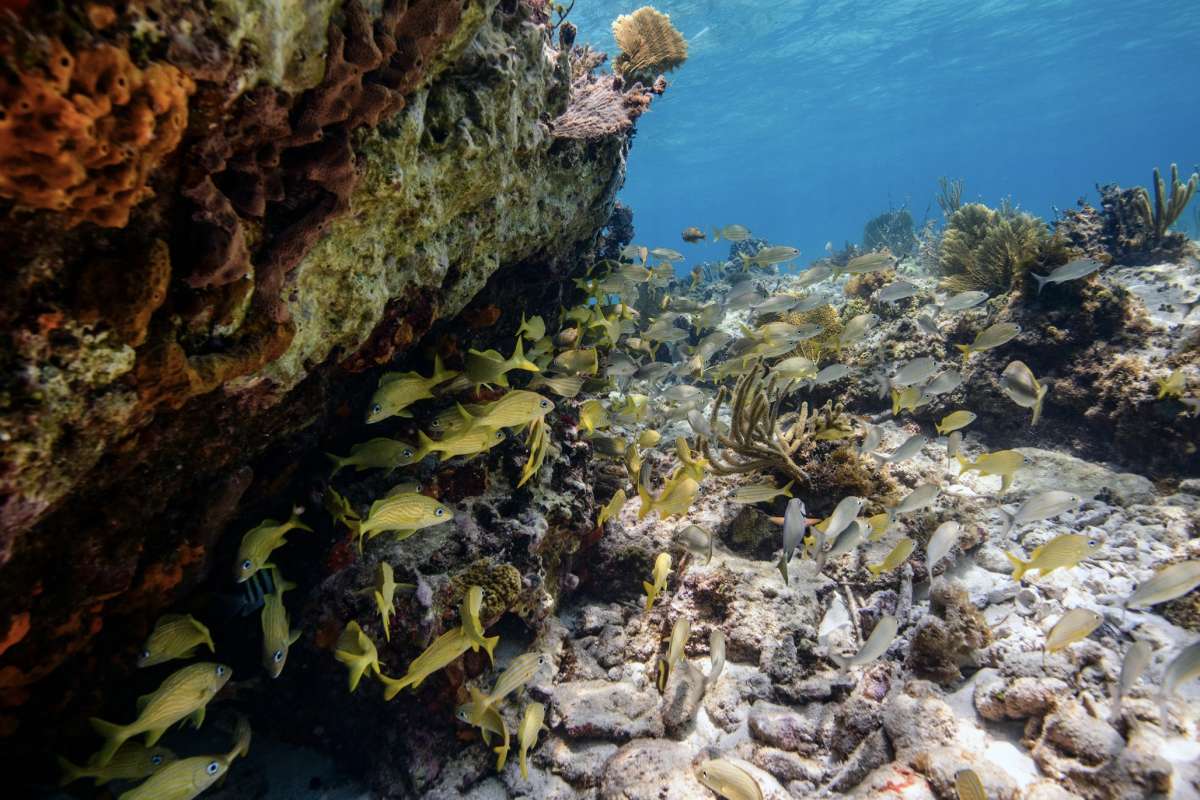
It’s a weird, beautiful sight—a concrete cargo ship from 1911 that’s seen everything from rum-running to WWII target practice. Because it’s so shallow (maybe 15-20 feet), the light hits it perfectly. It’s like a flooded cathedral. I spent forty minutes just watching a massive school of grunts swirl through the hull ribs.
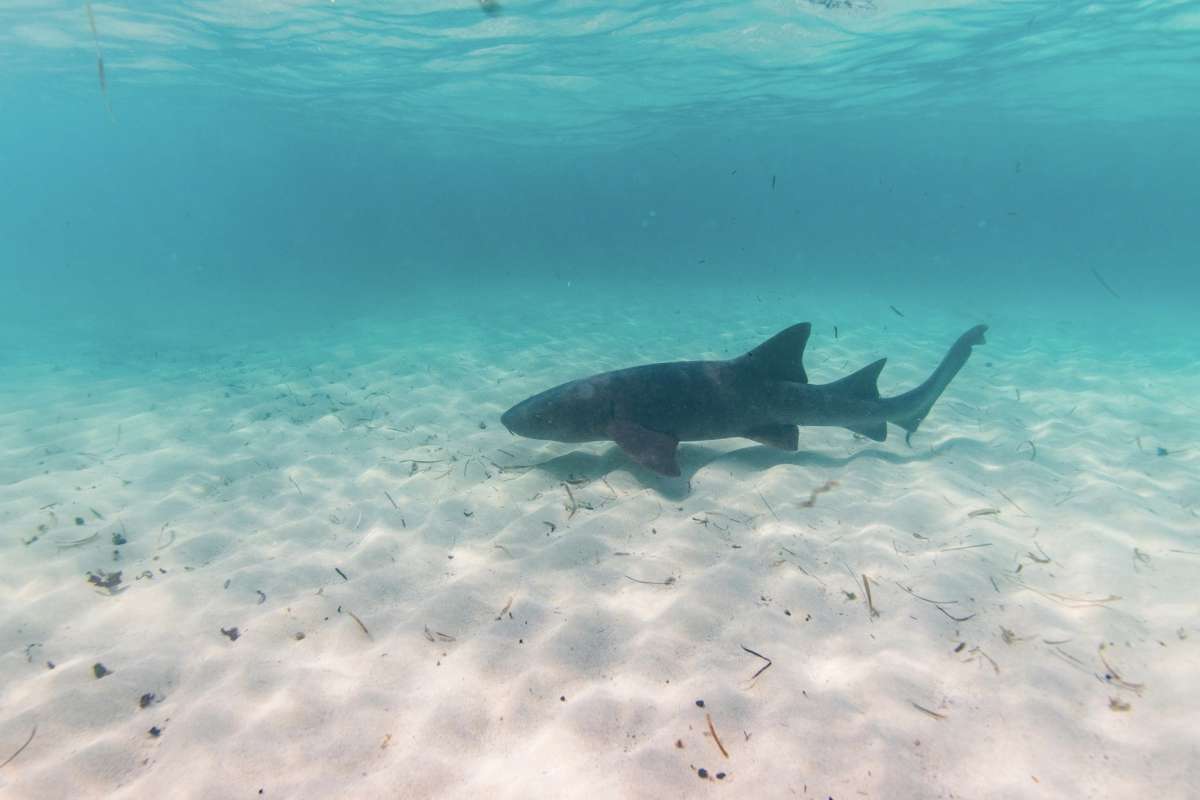
Pro Tip: If your boat offers a night dive here, take it. We went back down after sunset, and the place turned into an octopus playground. Watching them change color under my torch light while a curious nurse shark patrolled the stern was the highlight of the day.
Day 3: The Heavyweights Arrive
You don’t just "go for a dive" with Great Hammerheads; you attend an audience. We headed to "Hammer Headquarters" off South Bimini.
The procedure is intense. You suit up in a 5mm full suit (the water is a crisp 74°F/23°C in the winter, and you’re sitting still for a long time), grab your extra weights to stay pinned to the sand, and descend to about 20 feet.
Then, they appear.
There is nothing quite like the silhouette of a 12-foot Great Hammerhead emerging from the blue. They are surprisingly graceful for something that looks like it was designed by a cubist painter. One female, nicknamed "Scallop," passed so close I could see the individual ampullae of Lorenzini (those tiny sensory pores) on her snout. No cages, just mutual respect and a lot of adrenaline. My heart rate didn't return to normal until the third course of dinner.
Day 5: Drifting Over Atlantis
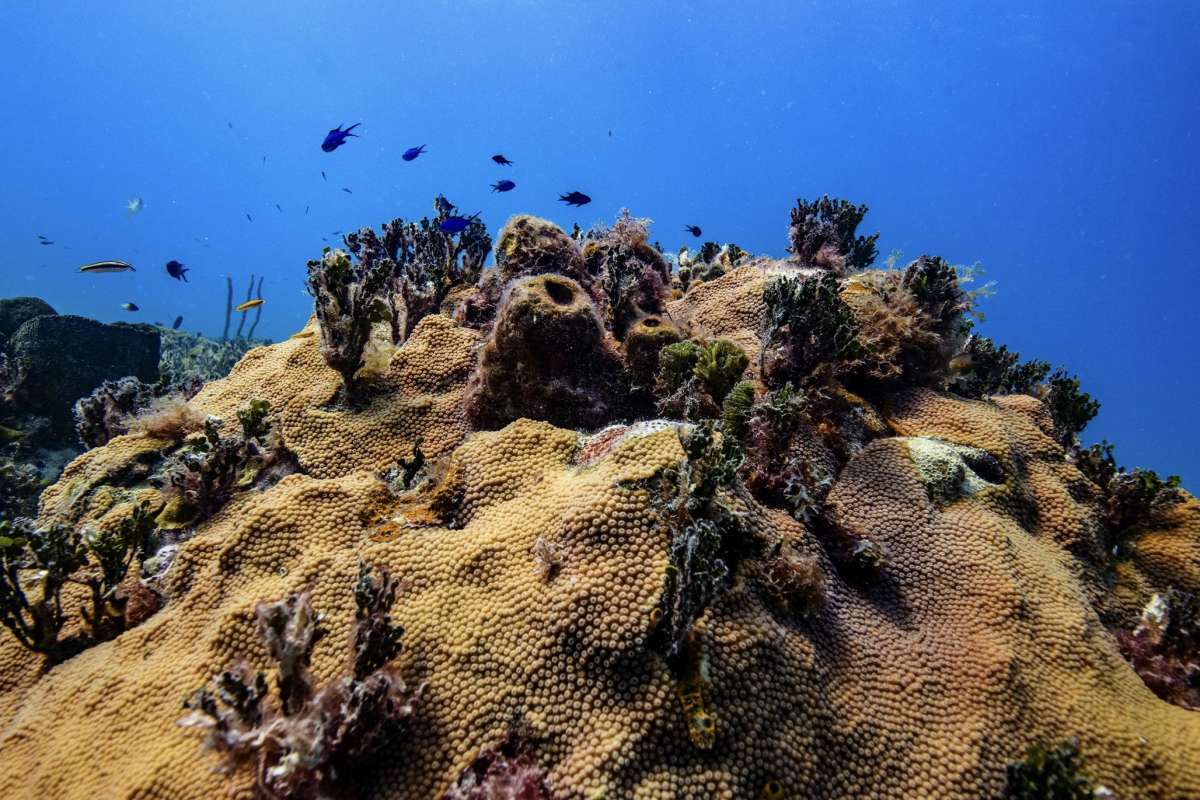
By day five, the "Eat, Sleep, Dive" routine was in full swing. We spent the morning at Victory Reef and Tuna Alley. These are "wall" dives where the reef just... drops. You’re hovering at 60 feet, and to your right is a sheer cliff of sponges and corals, while to your left is a 4,000-foot abyss of indigo blue.
We did a "drift dive" here, which is basically underwater lazy-river style. You just neutral-buoyancy your way along the current and watch the Caribbean reef sharks and eagle rays cruise past.
We ended the afternoon at the Bimini Road. Whether it’s actually a man-made path to Atlantis or just a geological fluke of beach rock, it doesn't really matter when you're there. Swimming over those massive, uniform stone blocks feels like exploring a forgotten civilization.
Life on the Water
People always ask what we do between dives. The answer? Eat.
Our chef, Maria, was a wizard. Between the 11:00 AM dive and the 2:00 PM dive, she’d somehow whip up fresh mahi-mahi tacos or warm brownies. The camaraderie is the secret sauce of a liveaboard. By Wednesday, the "strangers" I boarded with were my best friends, debating the merits of different camera strobes over local Sands beers on the sun deck.
A few things I learned the hard way:
- Conditioner is life: The Bahamian salt and wind will turn your hair into a bird’s nest. Bring triple what you think you need.
- The "Boat Cat": If you're on the Juliet, say hi to Rico the cat. He’s the true captain.
- Earplugs: Essential for sleeping through the hum of the A/C and the morning anchor drop.
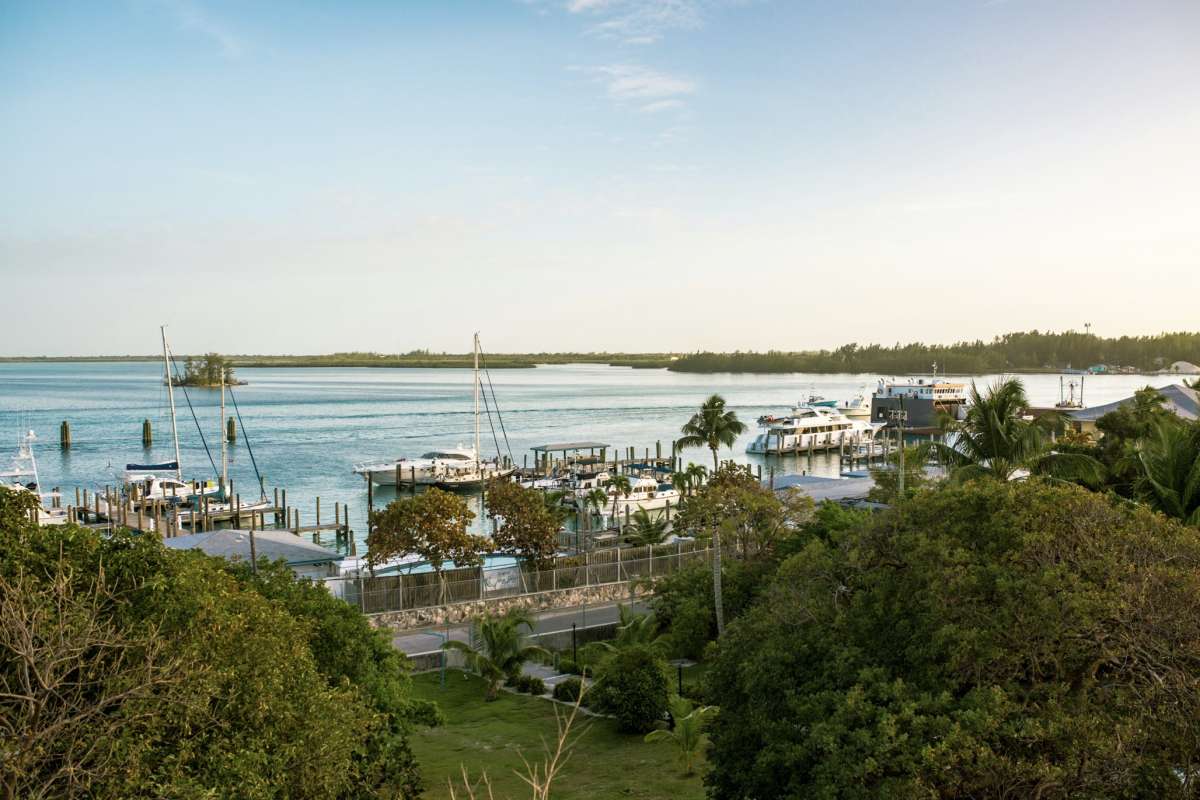
Stepping off the boat in Alice Town for a final stroll before heading home, the ground felt like it was swaying. Or maybe that was just me, already missing the blue. Bimini isn't just a destination; it’s a reminder that we live on an ocean planet, and we’re just lucky enough to visit the 70% we usually ignore.
Photos
Comments